
TMS Therapy for Depression and Anxiety
A non-invasive, medication free treatment option for patients who may not be getting enough relief from traditional approaches.
What is TMS?
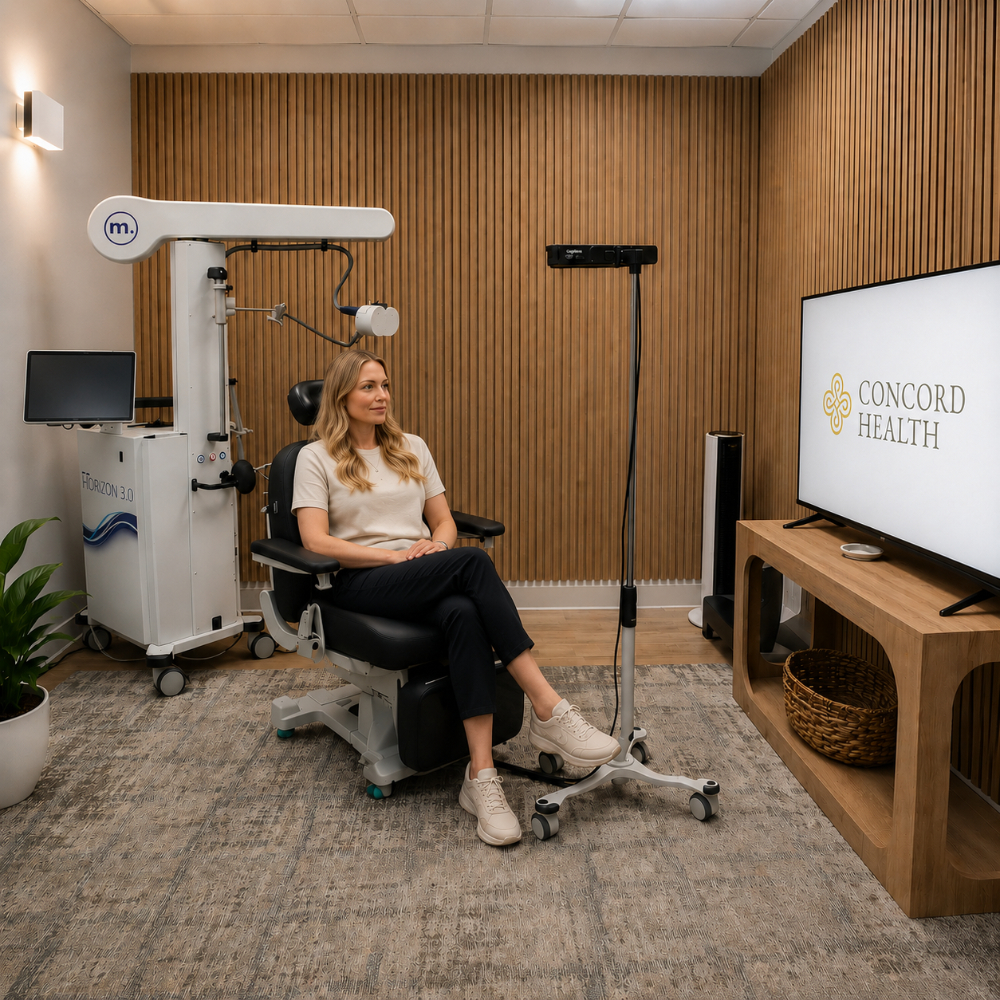
Transcranial Magnetic Stimulation (TMS) is a non-invasive treatment that uses focused magnetic pulses to gently stimulate areas of the brain involved in mood regulation. TMS does not require anesthesia, sedation, or surgery, and patients remain awake throughout the appointment.
At Concord Health, a provider will review your symptoms, medical history, and prior treatment response to determine whether TMS may be an appropriate option for your care. TMS treatment is performed using Magstim technology using neuro navigation to precisely map the exact treatment area.
Non-invasive
No surgery or anesthesia. Patients remain awake and seated during treatment.
Medication-free
TMS is not a medication and may be considered when medication has not provided enough relief.
Precise & Targeted
Magstim technology targets specific areas of the brain involved in mood regulation.
No downtime
Most patients can return to normal daily activities after their treatment session.
Who is TMS for?
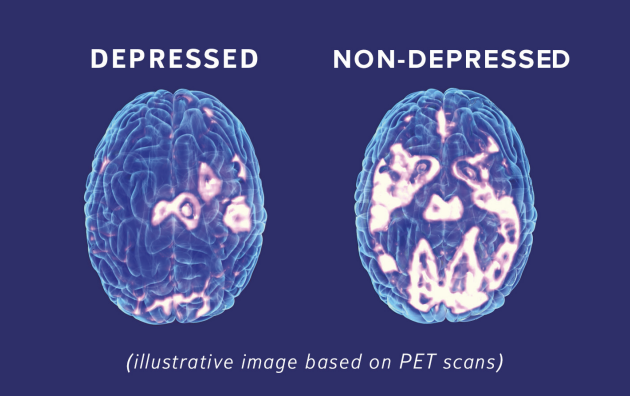
TMS may be appropriate for people experiencing depression or anxiety symptoms, especially when previous treatments have not provided enough relief. Many patients who ask about TMS have already tried medication, therapy, lifestyle changes, or other forms of care and still feel like they are struggling.
TMS is commonly considered for patients with depression who have had limited improvement from antidepressant medication or who have experienced medication side effects. It may also be discussed when symptoms such as low motivation, low energy, sadness, loss of interest, difficulty concentrating, or anxiety symptoms continue to interfere with daily life.
Depression symptoms
For patients experiencing ongoing sadness, low motivation, low energy, loss of interest, sleep changes, or difficulty functioning.
Anxiety symptoms
For patients whose anxiety symptoms may be connected with depression, mood changes, or ongoing emotional distress.
Limited response to treatment
For patients who have tried medication, therapy, or other treatment options and still feel stuck or only partially improved.
Does TMS actually work?
TMS has been studied as a treatment option for depression, especially for patients who have not had enough improvement from standard treatments such as medication or therapy. Many patients consider TMS because they are looking for another option that does not involve adding another daily medication.
Most patients experience improvement in mood, motivation, energy, interest in daily activities, and overall functioning. TMS works best when patients are properly screened, attend treatments consistently, and continue following the treatment plan recommended by their provider.
During your consultation, the Concord Health team will review your symptoms, prior treatment history, insurance requirements, and overall goals to help determine whether TMS may be a good fit for you.
How do I get started?
Our team will help guide you through the process step by step.
Contact us
Call or submit the TMS interest form.
Free initial Consult
We answer your questions and collect information about symptoms, treatment history and insurance details.
Insurance review
Our staff reviews your plan and begins authorization requirements.
Medical review
A provider meets with you to setup a treatment plan and answer any clinical questions.
Begin treatment
Treatments are scheduled 5 days a week and generally extend for 6-7 week.
Frequently Asked Questions
Common questions patients ask before starting TMS.
No. TMS is not a medication. It is a non-invasive treatment that uses magnetic stimulation to target areas of the brain involved in mood regulation. Some patients choose to explore TMS because they have not had enough relief from medication, have experienced side effects, or want to discuss a non-medication treatment option with their provider.
No. TMS does not require anesthesia or sedation. Patients remain awake during the treatment session and sit comfortably in a treatment chair. Because there is no anesthesia, there is typically no recovery period after the appointment.
Patients are able to drive and return to normal daily activities after a TMS session. Since TMS does not involve sedation, patients do not need someone to drive them home. Your provider will review your individual situation and answer any safety questions before treatment begins.
TMS is usually completed as a series of 30-36 treatments over several weeks. The exact schedule can vary based on the treatment plan, insurance requirements, and provider recommendation. Before starting, our team will explain the expected frequency, appointment length, and overall treatment timeline so you know what to expect.
Insurance coverage depends on your specific plan, diagnosis, prior treatment history, and medical necessity requirements. Some plans require documentation showing that previous treatments were tried before approving TMS. Concord Health can help review your benefits and explain the next steps for insurance verification and authorization.
Most patients tolerate TMS well. During treatment, you may feel a tapping sensation on the scalp near the treatment area. Some patients experience mild scalp discomfort or headache, especially early in the treatment course. Our team will monitor your comfort and answer questions throughout the process.
The length of each appointment can vary depending on the treatment protocol and where you are in the process. The first mapping appointment is scheduled for 60 minutes because the team is identifying the appropriate treatment location and settings. Routine treatment visits are typically 30 minutes and will be explained before your series begins.
TMS may be one part of a larger treatment plan. Some patients continue medication or therapy while receiving TMS, while others may have different recommendations based on their situation. Your provider will review your full care plan and help determine what is appropriate for you.
The first step is to contact Concord Health for a free initial consult. Our team will ask about your symptoms, diagnosis, prior treatments, insurance, and medical history. From there, a provider can determine whether a medical review is appropriate and whether insurance authorization may be needed.